What this means for your visit
- A wheelchair user has priority in the designated space. Move out of it when asked if you can safely do so.
- If a refusal appears unreasonable, the driver should consider reasonable further steps. The ruling does not require automatic removal of another passenger.
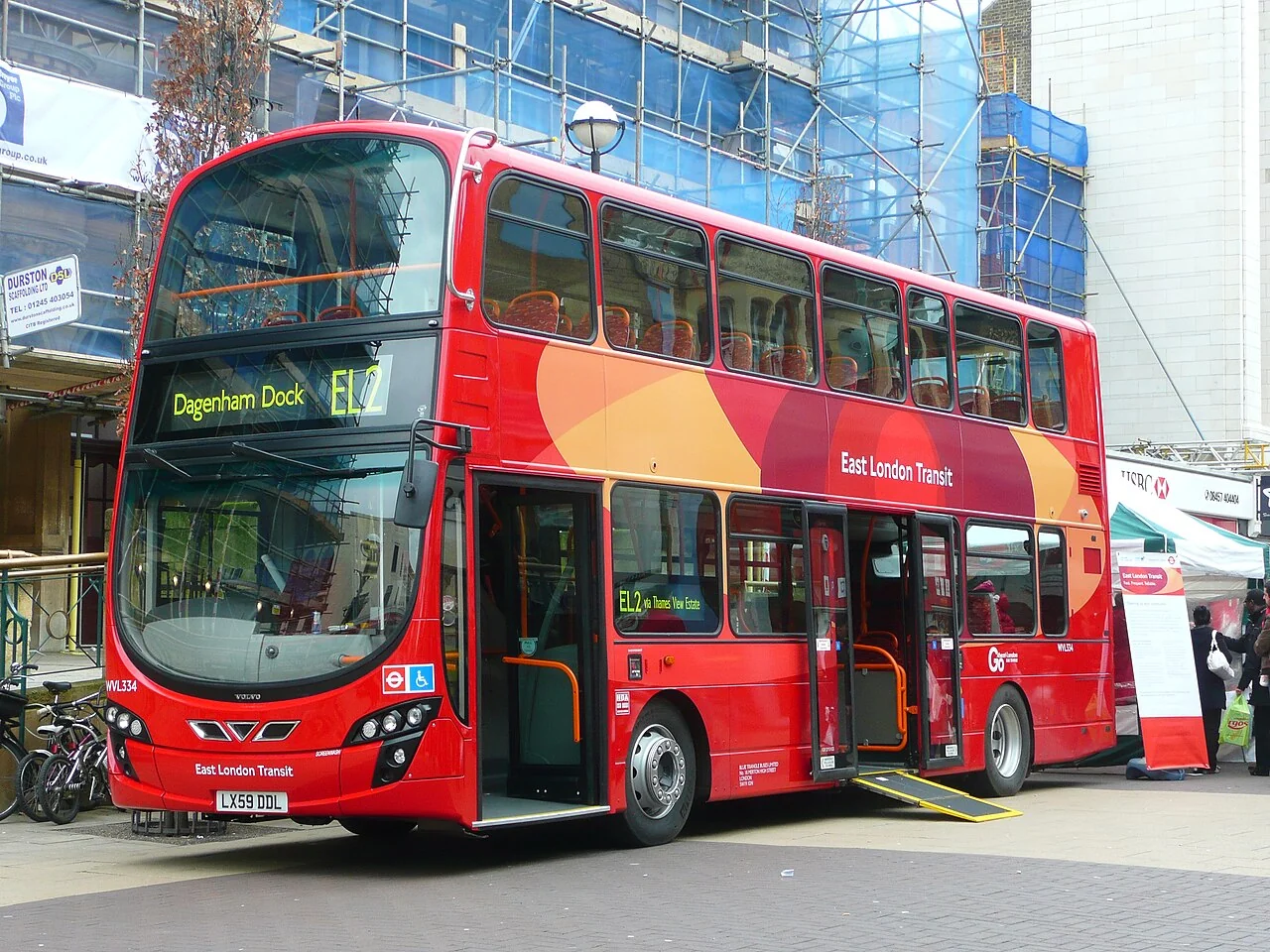

What the Supreme Court decided
In 2017 the Supreme Court decided FirstGroup Plc v Paulley. Doug Paulley was unable to board a bus after a passenger with a pushchair declined to vacate the wheelchair space. The case was about FirstGroup’s duty to make reasonable adjustments under the Equality Act 2010.
The court held that an operator’s policy fell short if it told the driver to make a single request and do nothing more after a refusal. Where refusing to move appears unreasonable, the driver should consider a further step that is reasonable in the circumstances. The judgment gives examples including a firmer instruction or, if reasonable, briefly delaying the bus to encourage someone to move.
The duty is on the bus operator. The court did not create an automatic right to have another passenger removed or require the driver to force anyone off the bus. A further step may be unreasonable if the other passenger cannot move safely or if there is genuinely nowhere safe to move. The legal principle is settled, and what it requires in an individual incident depends on the facts.
Source: UK Supreme Court judgment, FirstGroup Plc v Paulley [2017] UKSC 4.
Source: Equality Act 2010, section 20: duty to make adjustments.
What to do if you are using the wheelchair space
If a wheelchair user needs the designated space, move out of it if you can do so safely. Move luggage or fold a pushchair if practical, and follow the driver’s directions. If moving would be unsafe or you need assistance, tell the driver so they can assess the situation. Focus on making space without confrontation.
If another wheelchair user is already using the only suitable space, ask the driver or operator about the next accessible service or other assistance. The judgment about a passenger refusing to move does not resolve a lack of capacity for two wheelchair users.
Source: UK Supreme Court judgment, FirstGroup Plc v Paulley [2017] UKSC 4.
Source: Department for Transport: buses, coaches and help for disabled people.
Source: Public Service Vehicles Conduct Regulations, regulation 12.
Boarding, ramps and safe wheelchair travel
On services covered by the relevant bus rules, drivers must provide reasonable help with boarding and leaving. As applicable, that can include deploying the boarding ramp or lift. A safe journey also depends on factors such as the available space, the boarding point and whether the wheelchair can use the vehicle’s equipment.
If you use a larger powered chair or a mobility scooter, check the operator’s published dimensions and scooter policy in advance. Ask whether you need a permit and whether the specific service can carry your device. For a day out, check the route from the stop to the entrance as well as the venue itself.
Source: Department for Transport: buses, coaches and help for disabled people.
Source: Public Service Vehicles Conduct Regulations, regulation 12.
Trains and Northern Ireland
For rail travel in Great Britain, use the train operator’s Accessible Travel Policy or Passenger Assist to check step-free routes, boarding ramps and wheelchair spaces. Ask about assistance at interchanges and on rail replacement services. The Paulley case arose on a bus and does not supply every rule for rail travel.
The Equality Act 2010 framework discussed in Paulley applies in Great Britain. Northern Ireland has its own disability discrimination framework and accessible transport guidance. Check nidirect and the local operator for local rules, assistance and complaints.
Source: GOV.UK: rights of disabled passengers on transport.
Source: nidirect: bus and train travel with a disability.
Source: nidirect: transport discrimination and reasonable adjustments.
If you are refused boarding
Ask the driver, if practical, why you cannot board and what alternative the operator can offer. Record the date, time, route, direction, stop, vehicle number if visible, and what was said or done. Explain the effect on your journey when you complain to the operator, and ask it to investigate the steps taken.
If the response does not resolve it, GOV.UK explains where to take a complaint and how to report certain bus or coach accessibility problems. For a potential discrimination claim, seek advice promptly because legal time limits may apply. This guide is general information about passenger rights.
Source: GOV.UK: rights of disabled passengers on transport.
Source: GOV.UK: report an accessibility problem on a bus or coach.
Source: nidirect: transport discrimination and reasonable adjustments.
Sources and checks
- UK Supreme Court judgment, FirstGroup Plc v Paulley [2017] UKSC 4 — checked 21 November 2026
- Equality Act 2010, section 20: duty to make adjustments — checked 21 November 2026
- Department for Transport: buses, coaches and help for disabled people — checked 21 November 2026
- Public Service Vehicles Conduct Regulations, regulation 12 — checked 21 November 2026
- GOV.UK: rights of disabled passengers on transport — checked 21 November 2026
- GOV.UK: report an accessibility problem on a bus or coach — checked 21 November 2026
- nidirect: bus and train travel with a disability — checked 21 November 2026
- nidirect: transport discrimination and reasonable adjustments — checked 21 November 2026
Prepared with AI assistance from the linked published sources. Published by Jarvis Access. These checks are desk research, not an on-site inspection or a guarantee of current equipment availability.
Corrections and updates
No material corrections recorded since publication.
Spotted a change or something we should check? Contact Jarvis Access, including this article’s title and any source information.